September 10, 2026
Older homes possess a unique charm and character that can be beautifully enhanced with the right painting projects. Engaging a skilled interior painter is one of the most effective ways to refresh an aging residence while preserving its timeless character. Rather than executing a simple coat of color, an experienced interior painter understands how historic materials react to modern finishes and environmental conditions. From reviving aged plaster to restoring delicate millwork, specialized painting projects can protect architectural history while aligning rooms with personal aesthetics. Proper planning, high-quality materials, and time-tested techniques ensure that every surface receives the dedicated care necessary to showcase its inherent beauty.
Restoring Original Woodwork
Original millwork, staircases, and built-ins serve as the architectural soul of historic properties. Before applying any finishes, an interior painter carefully evaluates these features to determine whether staining or painting will best preserve their integrity. Selecting the proper stain highlights natural grain patterns, whereas high-grade paint offers a clean finish suitable for contemporary updates. Identifying valuable wood features before beginning guarantees that historic craftsmanship remains protected throughout the restoration process. To maintain healthy indoor air quality during extensive restoration, low-VOC and zero-VOC paints can help reduce indoor air pollution compared to conventional paints because most traditional paint products release volatile organic compounds (VOCs) as they dry, according to the Environmental Protection Agency.
Thorough preparation is vital when working with decades-old wood surfaces. Sanding must be performed incrementally, moving from medium to fine grit to eliminate compromised coatings without damaging delicate details. Intricate carvings, crown trim, and detailed wainscoting require precise hand-sanding tools to maintain sharp architectural lines. Applying thin, even coats ensures that fine design elements remain visible rather than buried under heavy paint layers. Taking the time to properly prep each piece of wood creates an optimal foundation for subsequent coatings, minimizing the risk of premature peeling or chipping.
To seal the restored woodwork against daily wear, applying protective clear coats or durable topcoats adds an extra barrier against moisture, scuffs, and sunlight. High-traffic elements such as banisters, doors, and window casings benefit immensely from these advanced sealants. Periodic maintenance of protective coatings helps safeguard the underlying timber, ensuring that the home's historic craftsmanship remains intact for future generations. Combining meticulous sanding, superior primer application, and high-performance topcoats allows homeowners to enjoy beautifully restored woodwork for decades to come.
Revitalizing Faded Walls
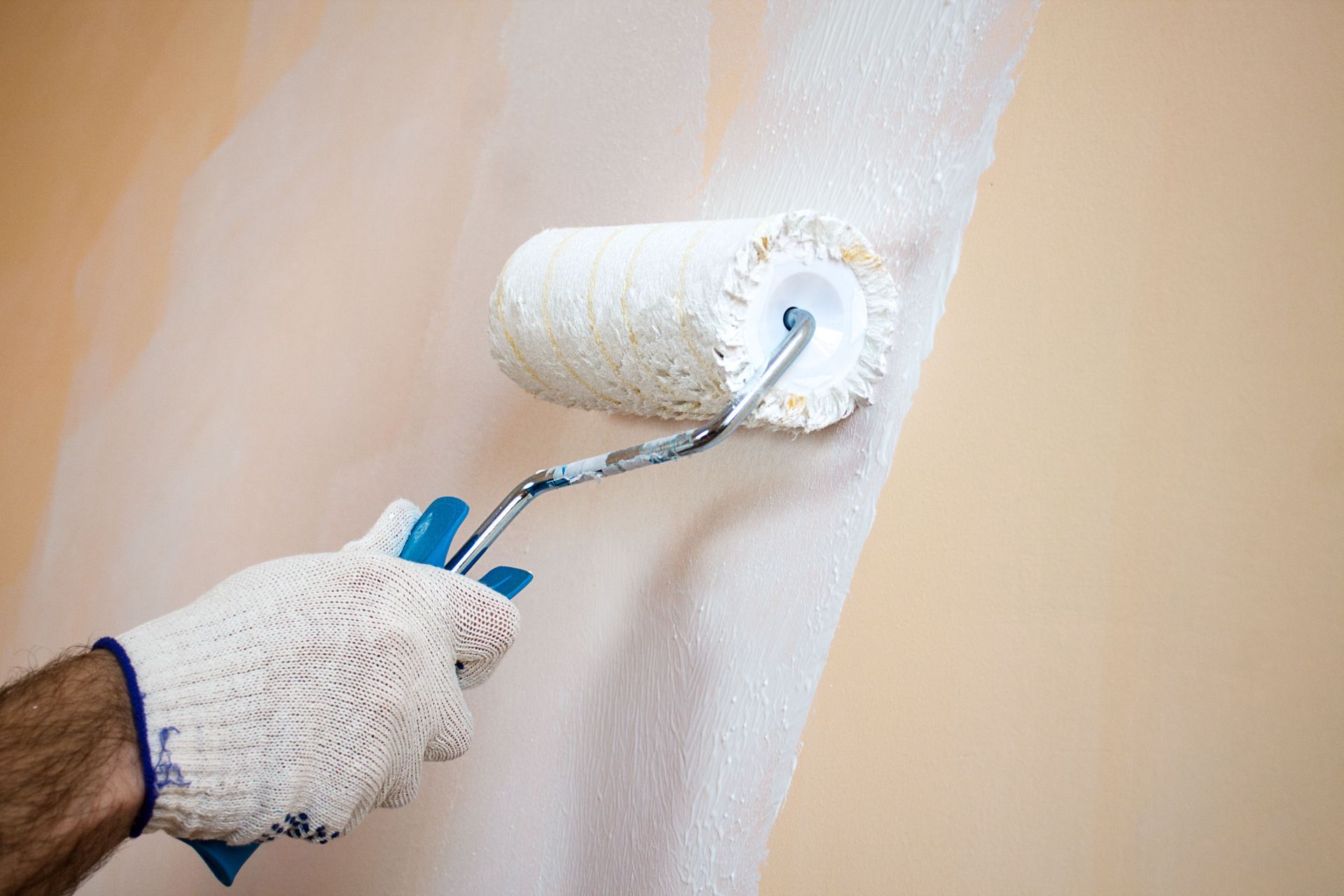
Aging walls often show signs of wear, including hairline fractures, peeling patches, and uneven textures caused by settling over time. A professional interior painter begins by assessing these underlying conditions to determine if repairs, moisture remediation, or specialized primers are required before applying color. Plaster and older drywall require tailored treatment plans to stabilize the surface and establish complete structural integrity before any cosmetic paint touches the wall. Addressing structural or surface flaws early guarantees that topcoats adhere properly and maintain a uniform texture across large expanses.
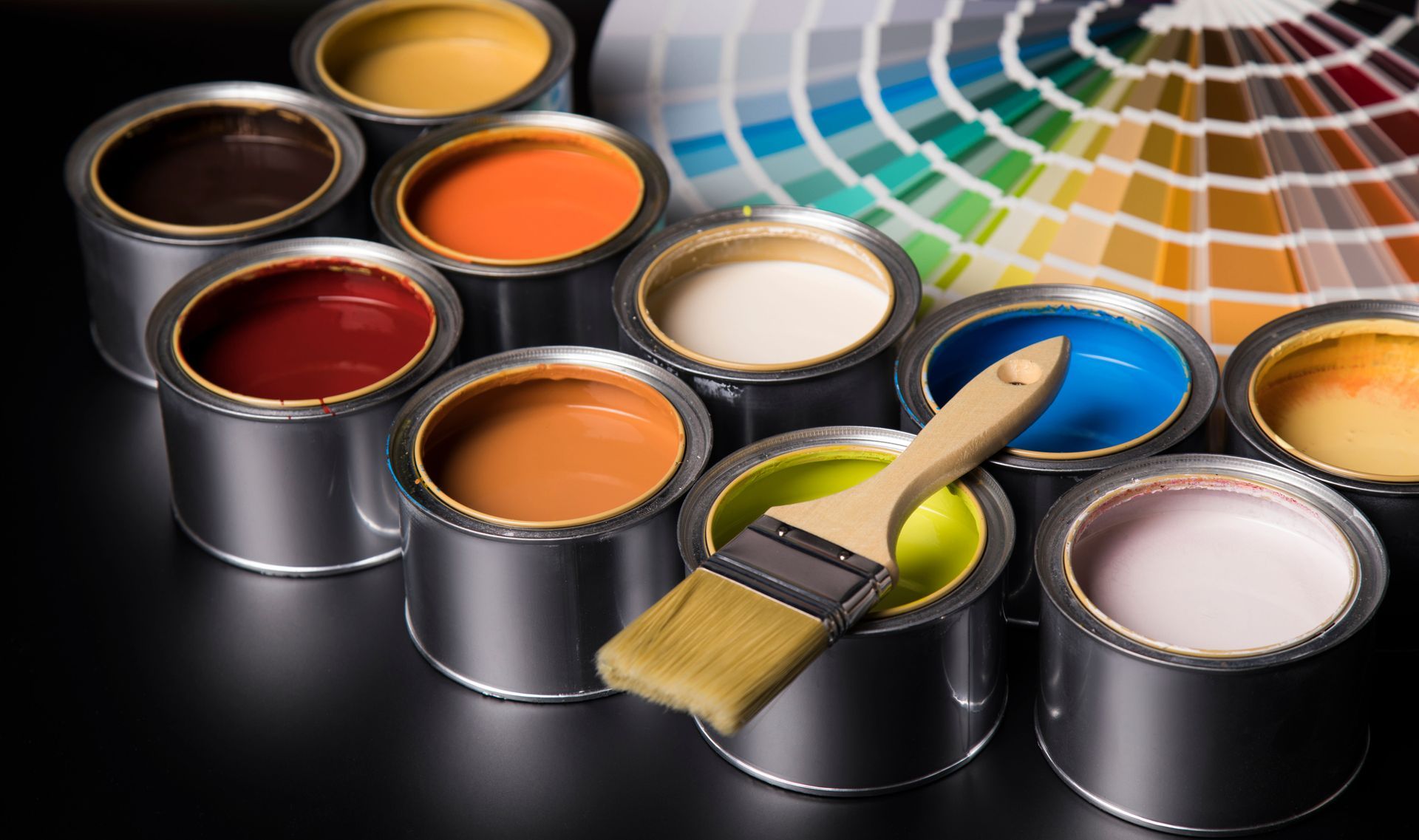
Choosing the right color palette balances historic reverence with modern comfort. Soft neutrals, warm earth tones, and muted historical shades enhance natural light while respecting traditional architecture. For property owners seeking a bold statement, deep accent shades behind mantels or within dining alcoves create striking visual interest. Proper color selection can make intimate rooms feel expansive and highlight distinct architectural features. Collaborating with design professionals helps narrow down choices that honor the era of the home while expressing personal modern taste.
Surface cleaning and priming are critical steps in the wall restoration process. Washing surfaces removes accumulated dust, soot, and grease that hinder paint bonding. High-grade primers seal porous surfaces, neutralize old stains, and establish a uniform foundation across patched areas. Investing in premium paints formulated with superior binders ensures long-lasting color retention and resistance to everyday scuffs, resulting in a flawless finish that stands up to time while enhancing the visual warmth of the home.
Updating Ceilings with Modern Finishes
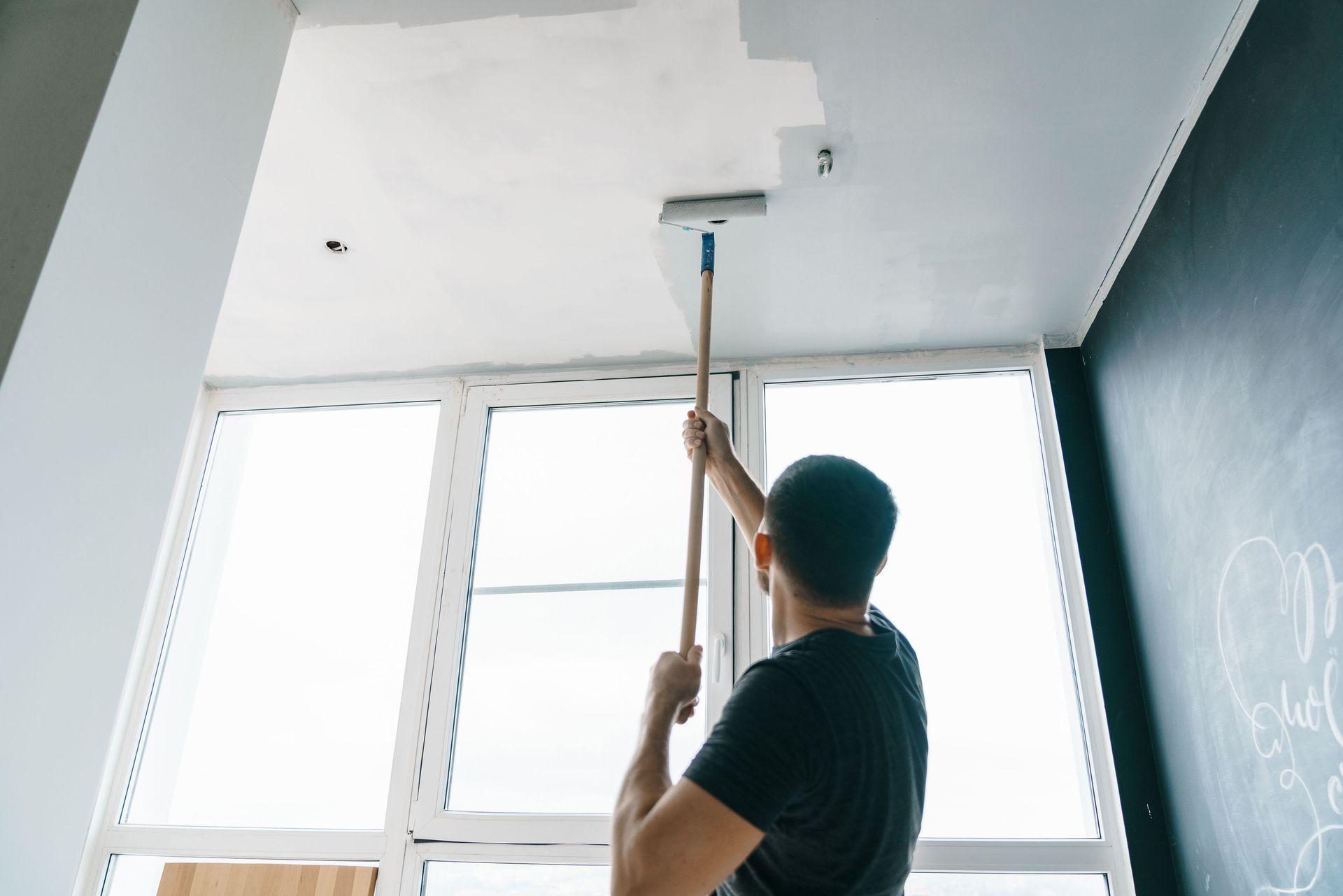
Ceilings in older properties often feature outdated textures, water stains, or uneven surfaces that divert attention from beautiful wall treatments. Stripping away legacy textures like popcorn or heavy knockdowns requires careful scraping, surface patching, and detailed smoothing. Once the surface is fully prepped and sanded, a fresh coat of flat or matte ceiling paint creates a clean overhead canvas that softens light reflection and hides subtle imperfections. Modern ceiling finishes reflect ambient light evenly, making rooms feel taller and significantly brighter.
Selecting appropriate ceiling finishes depends heavily on room functionality and lighting conditions. While matte finishes work exceptionally well in living areas and bedrooms to minimize surface flaws, semi-gloss or satin options are ideal for kitchens and bathrooms where moisture resistance and cleanability are paramount. Using specialized extension poles and angled edging brushes ensures uniform coverage without leaving visible roller tracks or lap marks across wide expanses. Expert application techniques produce a seamless surface that draws the eye naturally throughout the space.
Incorporating subtle decorative additions can turn a standard ceiling into an architectural focal point. Installing crown molding or applying decorative paint treatments around ceiling medallions adds immediate elegance and historic charm. Painting trim in complementary shades frames the space, visually elevating the ceiling height and bringing refined structure to the entire room. These thoughtful architectural accents bridge the gap between traditional craftsmanship and clean contemporary finishes.
Revamping Trim and Moldings
Trim, baseboards, and window casings endure significant physical contact, making them prone to chipping, denting, and discoloration over time. Repairing damaged sections with professional wood fillers and sanding them completely smooth is essential before repainting. Skilled execution ensures that repaired trim integrates seamlessly with surrounding architectural details, restoring crisp profiles throughout every room. Taking time to repair rather than replace historical moldings maintains the home's original character and structural continuity.
Choosing high-durability finishes like semi-gloss or gloss paints for trim applications provides a tough, cleanable surface that resists everyday wear, impact, and moisture. These lustrous finishes create a crisp visual boundary against matte or eggshell wall surfaces, highlighting intricate woodwork profiles. Using painter's tape and specialized sash brushes allows an interior painter to execute razor-sharp lines between walls and moldings. The resulting contrast elevates the overall visual structure of the room.
Long-term maintenance of baseboards and casing involves minor periodic touch-ups and gentle routine cleaning with non-abrasive detergents. Keeping extra paint from the initial application ensures precise color matches for future fixes. Regular maintenance keeps architectural details looking fresh, protects vulnerable wood joints from environmental stress, and delays the need for complete repainting cycles.
Refreshing Doors and Windows
Doors and window frames are functional components that significantly impact both thermal efficiency and aesthetic appeal. Before painting, each door and frame must be inspected for warping, sticky edges, hardware interference, or flaking layers. Proper preparation involves sanding down sticky edges, repairing worn sashes, patching minor wood rot, and applying flexible primers that accommodate seasonal expansion and contraction. Thorough prep work guarantees smooth operation and long-lasting protection against physical friction.
Selecting weather-resistant coatings for exterior-facing doors and moisture-resistant enamels for interior portals guarantees long-lasting durability. Bold color choices on front entryways or accent interior doors add personality and highlight unique period craftsmanship. Proper application technique involves removing hardware prior to painting, ensuring smooth finish coats free of runs, drips, or heavy brush marks. A flawless coat of paint on entry points dramatically improves curb appeal and internal transitions.
Painting projects are vital for rejuvenating older homes, preserving their grandeur, and infusing new life into them. From restoring original woodwork to updating ceiling treatments, each project requires thoughtful planning, proper material selection, and precise execution. By employing expert techniques recommended by an interior painter, homeowners can successfully adapt their vintage homes to modern aesthetics while honoring their historic essence. Investing in quality restoration enhances everyday living comfort while protecting the structural and monetary value of the property for decades to come. For more information about the services that we offer, reach out to our incredible team at Champaign County Painting today!